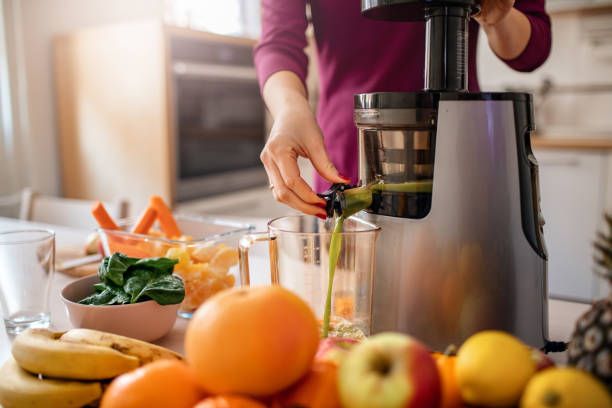
Raw juicing—the practice of extracting liquid from fresh fruits and vegetables—has roots in early 20th-century natural health movements and remains popular for increasing nutrient intake. Fresh juices deliver concentrated vitamins, minerals, enzymes, and phytochemicals in an easily absorbed form. While whole fruits and vegetables remain the nutritional gold standard due to their fiber content, the adoption of 100% juices can support certain health goals when approached thoughtfully.
Benefits of Raw Juicing
Fresh raw juices provide a dense source of micronutrients and bioactive compounds. Systematic reviews and intervention studies on 100% fruit and vegetable juices show potential benefits including:
- Improvements in blood pressure and vascular function
- Reductions in certain markers of inflammation
- Enhanced plasma antioxidant status (e.g., vitamin C) and lower lipid peroxidation markers
- Support for nutrient status when overall fruit and vegetable intake is low
- Short-term positive shifts in some blood parameters and nitric oxide levels with vegetable-heavy juices
Polyphenols, carotenoids, and nitrates (especially from beetroot and leafy greens) contribute to these effects. Observational data have linked higher juice intake with lower risk of certain outcomes such as stroke mortality in some analyses. Juices can also make it easier for people to consume a greater volume and variety of produce than they might eat whole.
Short-term exclusive juice regimens have been associated with temporary weight loss, altered gut microbiota composition, and improved subjective well-being in small studies, though sustainability and long-term benefits are limited.
Contraindications and Risks
Key considerations include:
- Sugar content: Fruit-heavy juices deliver free sugars rapidly, which can affect blood glucose. People with diabetes or insulin resistance should favor vegetable-dominant juices and monitor responses.
- Fiber removal: Juicing discards most insoluble fiber, reducing satiety benefits and prebiotic effects compared with whole produce. Exclusive juice diets can negatively shift the gut microbiome toward more pro-inflammatory taxa in some research.
- High-oxalate juices (e.g., spinach, beet): May pose concerns for those with kidney stone history or certain kidney conditions.
- Medication interactions: Grapefruit and some other juices inhibit CYP3A4 enzymes, altering drug levels.
- Nutrient imbalances: Prolonged exclusive juicing lacks adequate protein, essential fats, and certain micronutrients, risking deficiencies or refeeding issues upon reintroduction of solids.
- Dental health: Acidic juices can erode enamel; rinsing the mouth afterward is advisable.
Consult a healthcare professional before starting intensive protocols, especially with existing medical conditions.
Major Proponents and Authors
Dr. Norman W. Walker (1886–1985) is widely regarded as a foundational figure in modern juicing. Born in Italy to a Scottish family, he emigrated to the United States and developed a lifelong interest in raw vegetable juices after observing the moisture in carrot peels. He designed the Norwalk Hydraulic Press Juicer (a two-stage grinder and press system still influential today) and authored numerous books, most notably Fresh Vegetable and Fruit Juices (originally Raw Vegetable Juices). Walker emphasized specific juice combinations for various ailments, colon health, and cellular regeneration. He lived to nearly 100 and attributed his vitality to raw juices and disciplined living.
Other key figures include:
- Jay “The Juiceman” Kordich — Popularized juicing through books and infomercials; influenced by Gerson methods.
- Joe Cross — Australian filmmaker whose personal juice fast story brought juicing into mainstream awareness.
- Max Gerson — Developed an intensive juice-based protocol (Gerson Therapy) originally for migraines and later applied to chronic disease.
- Cherie Calbom (“The Juice Lady”) and others who produced practical recipe and protocol books.
Main Research Findings on Raw Juicing Benefits
Modern evidence focuses more on 100% juices than on exclusive “cleanses.” Umbrella reviews of meta-analyses indicate modest benefits for blood pressure, vascular function, and some inflammatory markers, with the majority of analyses showing neutral effects on lipids, body composition, and many other outcomes.
Intervention studies demonstrate that specific juices (citrus, berry, pomegranate, beetroot, etc.) can influence oxidative stress, endothelial function, and exercise recovery depending on their phytochemical profiles.
Cold-pressed versus centrifugal methods show little consistent superiority of nutrient retention in controlled comparisons when juices are consumed fresh.
Researched Neurobiological Effects
Polyphenol-rich fruit and vegetable juices (especially those high in anthocyanins and flavonoids from berries, cherries, grapes, and citrus) have been studied for cognitive effects. Mechanisms include improved cerebral blood flow, reduced oxidative stress and neuroinflammation, and support for neurotrophic factors such as BDNF.
Randomized trials and reviews report benefits in domains such as working memory, attention, processing speed, and executive function in older adults or those with mild cognitive concerns after regular consumption of certain juices or polyphenol extracts. Acute memory benefits have been observed in some mild cognitive impairment studies. Epidemiological data link higher fruit/vegetable (and sometimes juice) intake with better cognitive aging. Evidence is promising but not definitive.
Recommended Protocols
Norman Walker-style approach: Emphasized freshly extracted vegetable juices (carrot often foundational) consumed regularly, sometimes in large quantities, with specific formulas matched to symptoms. He stressed trituration (fine grinding) followed by pressing for maximum extraction and recommended juices as a daily regenerative practice rather than only short cleanses.
Modern “reboot” style (popularized by Joe Cross): Short-term (3–60 days) predominantly vegetable juices (often ~80% vegetable / 20% fruit) as a temporary reset, followed by a whole-food plant-rich diet. Mean Green-type recipes (leafy greens, cucumber, celery, apple, lemon, ginger) are common.
Gerson-inspired intensive protocols: Multiple fresh juices daily (often 13 glasses), organic plant-based meals, and additional detoxification practices. These are highly demanding and medically unsupervised engaged is not recommended.
General practical guidance:
- Prioritize vegetable-dominant juices for lower sugar load.
- Consume immediately after extraction for maximum nutrient retention.
- Start slowly to assess tolerance.
- Use juicing to complement—not replace—whole foods long-term.
- Choose quality produce and clean equipment thoroughly.
Conditions Addressed Through Specific Protocols
Historical and anecdotal literature (Walker, Gerson, Kordich) associates particular juice combinations with support for digestion, energy, skin, joints, blood pressure, and recovery from various ailments. Modern research more reliably links moderate juice intake to cardiometabolic markers, antioxidant status, and aspects of cognitive function rather than disease “cures.”
Documentaries Touching on the Subject
Notable films include:
- Fat, Sick & Nearly Dead (Joe Cross’s 60-day juice journey)
- Super Juice Me!
- Simply Raw (raw diet focus including juices for metabolic health)
- The Food Cure (explores Gerson Therapy)
- 7 Days 2 Guys 1 Juicer
High-View YouTube Content:
- Jay Kordich demonstrating real orange juice extraction and watermelon juice
- Joe Cross / Williams-Sonoma Mean Green juice tutorials and related content
- Trailers and clips associated with Fat, Sick & Nearly Dead
Absence of Heavy Fads Beyond Equipment
The core protocol of raw juicing is inherently simple: select fresh produce, extract the juice, and drink it promptly. Unlike many wellness trends, the fundamental practice does not rely on proprietary formulations, extreme claims unique to a brand, or complex rituals. Marketing intensity is largely concentrated on juicing machines (centrifugal, masticating, cold-press, hydraulic) rather than on the juices themselves. This keeps the practice relatively free of product-driven FOMO, though device claims sometimes outpace independent performance data.
Why Has This Research Not Taken Center Stage in Academia?
Several factors explain limited mainstream academic emphasis on therapeutic raw juicing:
- Strong preference in nutrition science for whole foods due to fiber and matrix effects
- Methodological challenges in nutrition research (self-reported intake, confounding lifestyle factors, short-term trials)
- Association of intensive juice protocols with alternative medicine, reducing institutional priority
- Heterogeneity of juice composition and preparation methods that complicates standardization
- Commercial wellness marketing that sometimes outpaces rigorous evidence, creating skepticism
Moderate 100% juice consumption is studied more as part of dietary patterns than as a standalone therapy.
Five Most Prominent / Best-Selling Books on the Topic
- Fresh Vegetable and Fruit Juices (Norman W. Walker)
- The Juiceman’s Power of Juicing (Jay Kordich)
- The Juice Lady’s Guide to Juicing for Health and related titles (Cherie Calbom)
- The Complete Book of Juicing (Michael T. Murray)
- Practical modern guides such as those by Joe Cross or Kristina Carrillo-Bucaram (The Fully Raw Diet)
Conclusion
Raw juicing offers a practical way to increase intake of vitamins, minerals, and phytochemicals, with supportive evidence for certain cardiometabolic and antioxidant benefits and emerging data on cognitive domains. Historical figures such as Norman Walker laid the practical and philosophical foundations still referenced today. At the same time, exclusive or prolonged juice regimens carry clear limitations—loss of fiber, reduce protein intake—and should not replace a balanced whole-food diet or evidence-based medical care.
The most sustainable and evidence-aligned approach is moderate use of freshly prepared, vegetable-forward juices as a complement to eating whole produce. When practiced with attention to quality, balance, and individual health status, raw juicing can be a refreshing and nutrient-dense addition to a healthy lifestyle. As research on specific bioactive compounds continues, the nuanced role of juices within overall dietary patterns will become even clearer.
Sources
- Umbrella reviews and meta-analyses on 100% fruit/vegetable juice health effects (including Beckett et al. and related systematic work)
- Intervention and observational studies on juice, vascular function, inflammation, and antioxidant status
- Research on polyphenol-rich juices and cognitive function
- Biographical and historical material on Norman W. Walker, Jay Kordich, Joe Cross, and Max Gerson
- Clinical commentaries on risks of unpasteurized juice and exclusive cleanses
- Documentaries: Fat, Sick & Nearly Dead, Super Juice Me!, Simply Raw, The Food Cure
- Public educational content and high-view YouTube demonstrations by Kordich and Cross
- Critical analyses of nutrition research methodology and alternative therapy claims