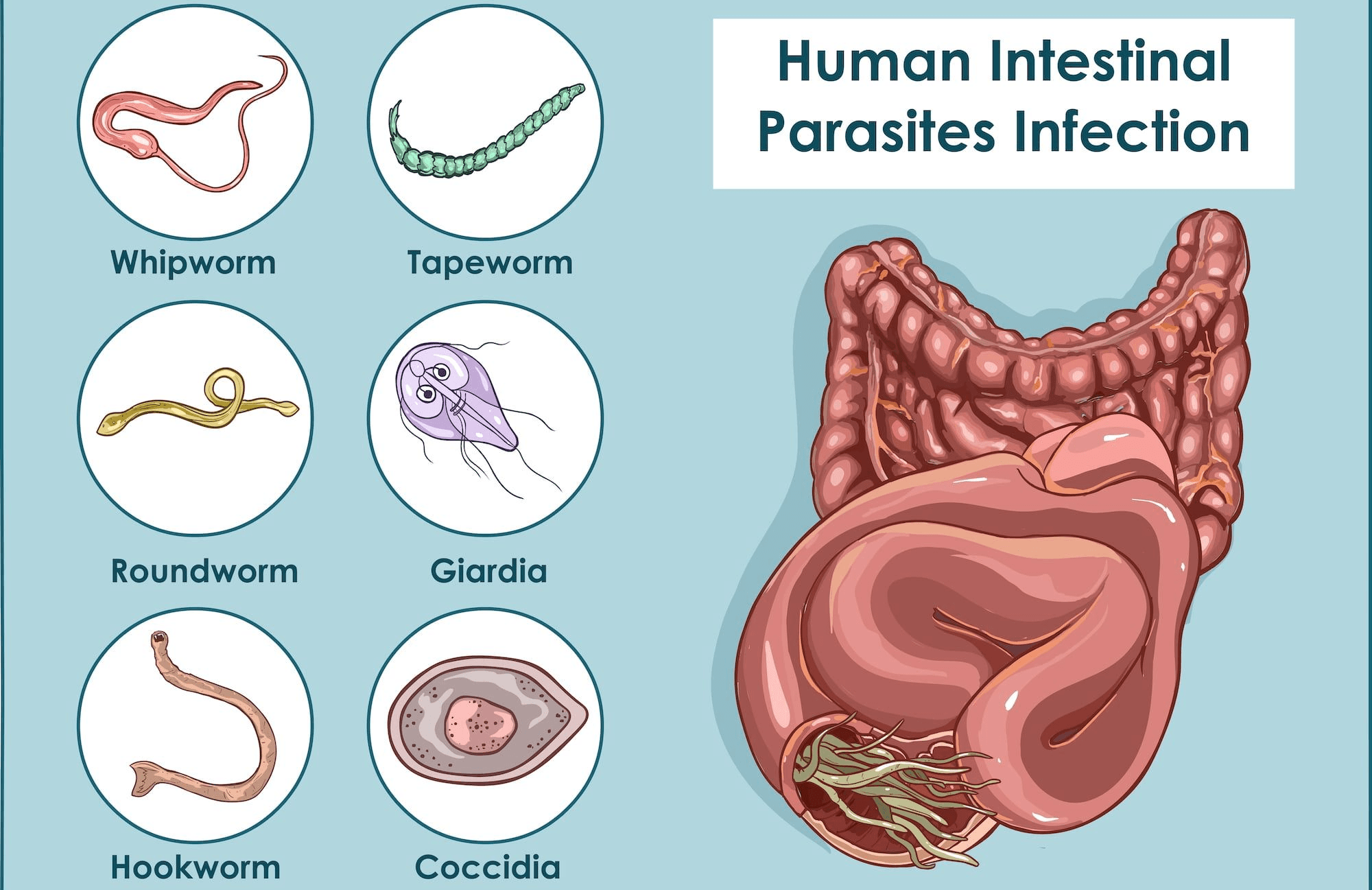
If you’re experiencing unexplained digestive issues, fatigue, nutrient deficiencies, or stubborn bloating, intestinal parasites may be playing a hidden role. While the topic can feel unsettling, the reality is reassuring: with modern diagnostics and a combination of evidence-based conventional and natural parasite remedies, most infections can be effectively identified and resolved.
Taxonomy of Intestinal Parasites
Intestinal parasites fall into three main categories:
- Protozoa (single-celled organisms): Giardia lamblia, Entamoeba histolytica, Cryptosporidium, Blastocystis hominis.
- Helminths (worms): Roundworms (Ascaris), Hookworms, Pinworms (Enterobius vermicularis), Tapeworms (Taenia), Whipworms.
- Ectoparasites (less common in intestines but relevant): Occasionally strongyloides or other migratory larvae.
Most Common Intestinal Parasites Among EU Citizens
In Europe, the most frequently diagnosed include:
- Pinworms (Enterobius vermicularis) — especially in children and households.
- Giardia lamblia — common in areas with contaminated water.
- Blastocystis hominis — highly prevalent and often overlooked.
- Dientamoeba fragilis and various helminths in travelers or immigrants from endemic regions.
Improved sanitation has reduced severe cases, but low-level infections remain surprisingly common across the EU, especially for individual that travelled in South East Asian countries.
How Parasites Enter the Human Body
Common transmission routes:
- Contaminated food or water (fecal-oral route)
- Undercooked meat or fish (tapeworms)
- Poor hand hygiene or nail-biting (pinworms)
- Contact with infected soil or animals
- International travel to high-risk areas
How to Avoid Intestinal Parasites
Prevention is highly effective:
- Drink filtered or bottled water when traveling.
- Wash produce thoroughly and cook meat/fish properly (avoid sushi).
- Practice excellent hand hygiene.
- Avoid swallowing water in lakes/rivers.
- Deworm pets regularly.
- Use probiotics and a diverse, fiber-rich diet to support a strong microbiome.
Allopathic vs. Non-Allopathic Treatments for Intestinal Parasites
Allopathic (Conventional) Remedies
- Prescription antiparasitics: Albendazole, Mebendazole, Metronidazole, Tinidazole, Nitazoxanide.
These are highly effective for specific parasites and often used as first-line treatment after positive stool testing.
Non-Allopathic / Holistic Remedies (Widely Used by Holistic Therapists)
Top Herbs, Supplements & Foods Recommended:
- Berberine — 500 mg 2–3× daily (potent against Giardia and Blastocystis)
- Oregano Oil (carvacrol-rich) — 1–2 drops in capsule, 2–3× daily
- Black Walnut Hull — Tincture or capsule form (strong against worms)
- Wormwood (Artemisia) — Used in short cycles (e.g., 10 days)
- Pumpkin Seeds — ¼–½ cup freshly ground daily (effective against tapeworms)
- Garlic & Caprylic Acid — Daily support
- Probiotics — High-potency multi-strain including Saccharomyces boulardii
Preferred Holistic Protocol (4–8 Weeks):
- Weeks 1–2: Biofilm disruptors + gentle binders (activated charcoal)
- Weeks 3–6: Antifungal/antiparasitic rotation (berberine + oregano + black walnut)
- Maintenance: Probiotics + fiber + immune support
Effects of Intestinal Parasites on the Human Body & How to Treat Them
Common Symptoms:
- Digestive distress (bloating, diarrhea, constipation)
- Nutrient malabsorption (iron, B12, fat-soluble vitamins)
- Fatigue and brain fog
- Skin issues (rashes, eczema)
- Mood disorders and anxiety (via gut-brain axis)
- Weakened immune function
- Weight changes or sugar cravings
Go-To Protocols by Symptom:
- Chronic bloating → Berberine + Saccharomyces boulardii
- Fatigue & anemia → Iron support + wormwood/black walnut cycle
- Skin rashes → Internal antiparasitics + topical calendula
Biggest Misconceptions
- “Parasites only affect people in developing countries” — Low-level infections are common in the EU.
- “You need harsh chemicals to clear them” — Many cases respond well to targeted herbal protocols.
- “Symptoms are always dramatic” — Many infections are subtle but chronic.
In Summary
If you suspect parasites, work with a knowledgeable practitioner for proper testing and personalized care. Start with stools analysis and directly address the identified parasite holistically. At the end of the cycle repeat the stool analysis to ensure you are free of the parasites, if not take allopatic medication.
Intestinal parasites are more common than many realize, but they are also highly treatable. With accurate testing, the right combination of conventional and natural parasite remedies, and a focus on gut repair, most people regain energy, digestion, and vitality.
Favorite Resources & Books
4 Best-Selling Books on Parasites & Gut Health (2025):
- Guess What Came to Dinner? – Ann Louise Gittleman
- The Parasite Cleanse – Dr. Hulda Clark (updated editions)
- Gut and Psychology Syndrome – Dr. Natasha Campbell-McBride
- Parasites: The Enemy Within – Dr. Frank G. Spaulding
Cited Sources
- Centers for Disease Control and Prevention (CDC) – Parasites and Parasitic Diseases.
- European Centre for Disease Prevention and Control (ECDC) reports on intestinal parasites.
- Journal of Clinical Gastroenterology and Nutrients reviews on berberine, oregano oil, and antiparasitic herbs (2023–2025).
- World Health Organization (WHO) guidelines on soil-transmitted helminths.
- Gittleman, A.L. Guess What Came to Dinner? (updated editions).
- Campbell-McBride, N. Gut and Psychology Syndrome.