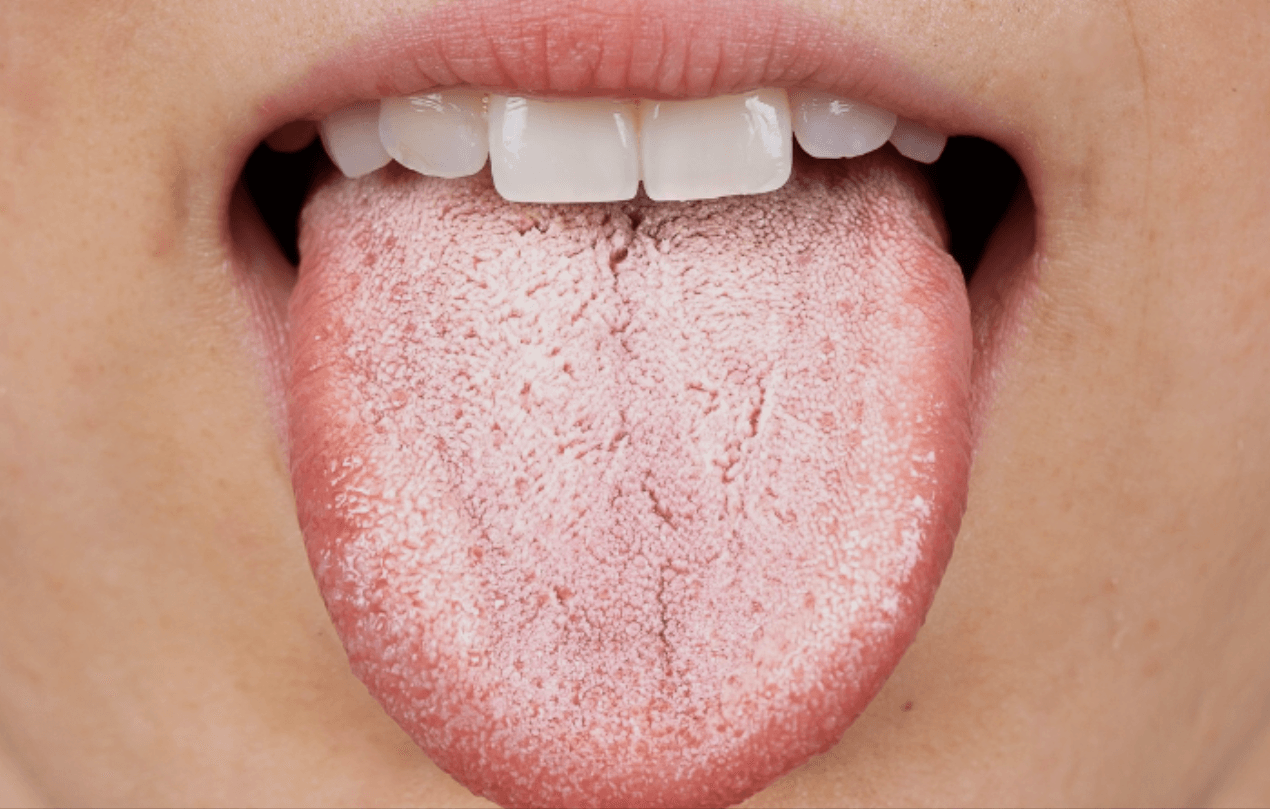
If you’re struggling with persistent bloating, brain fog, sugar cravings, recurring yeast infections, fatigue, or mood changes, you may be dealing with intestinal Candida overgrowth (candidiasis). This common condition can significantly affect your daily life — but the good news is that with a science-supported, root-cause holistic approach, balance can be restored naturally and sustainably.
Comprehensive List of Candida Conditions and Their Causes
Candida albicans is a yeast naturally present in the body. Problems arise when it overgrows due to:
Common Candida Conditions
- Intestinal Candidiasis (bloating, gas, irregular bowels, sugar cravings)
- Vaginal Candidiasis (itching, burning, thick discharge, recurrent infections)
- Oral Thrush
- Cutaneous Candidiasis (skin rashes, athlete’s foot)
- Systemic symptoms (fatigue, brain fog, mood changes)
Primary Causes
- Antibiotic overuse
- High-sugar and refined-carbohydrate diets
- Weakened immune system
- Hormonal fluctuations
- Diabetes or blood sugar dysregulation
- Corticosteroid use
- Gut dysbiosis and leaky gut
- Alcohol and processed foods
The Gut-Brain Axis: How Candida Affects Mood, Cognition, and Mental Health
One of the most fascinating and clinically relevant aspects of Candida overgrowth is its impact on the gut-brain axis. The gut and brain communicate bidirectionally through the vagus nerve, neurotransmitters, and immune signaling.
When Candida overgrows, it can:
- Produce acetaldehyde and other neurotoxic metabolites
- Contribute to increased intestinal permeability (“leaky gut”), allowing inflammatory molecules to reach the brain
- Disrupt serotonin production (90% of which is made in the gut)
- Trigger systemic inflammation that affects mood and cognitive function
Studies show strong associations between Candida overgrowth, anxiety, depression, brain fog, and even more complex neurological symptoms. Restoring gut balance often leads to significant improvements in mental clarity and emotional well-being.
Practical Implication: Any effective Candida protocol must address both the physical overgrowth and the gut-brain connection through stress reduction, targeted probiotics, and anti-inflammatory support.
The Most Effective Holistic Modalities for Candida
- Gut Microbiome Restoration
- Targeted Antifungal Botanicals
- Immune & Liver Support
Allopathic vs. Non-Allopathic Remedies
Allopathic (Conventional) Remedies
Fluconazole, Nystatin, or other prescription antifungals — effective for acute infections but can promote resistance and further gut disruption with repeated use. Best used as a short-term bridge under medical supervision.
Non-Allopathic / Holistic Remedies
- Oregano Oil (carvacrol-rich) — 1–2 drops in capsule, 2–3× daily
- Caprylic Acid (from coconut) — 500–1,000 mg, 2–3× daily
- Berberine — 500 mg, 2–3× daily
- Garlic (Allicin) — Aged extract 600–1,200 mg daily
- Black Walnut Hull, Pau d’Arco, Olive Leaf — Rotated for biofilm disruption
- Saccharomyces boulardii — 5–10 billion CFU daily (yeast that fights candida)
- Foods — Coconut oil, garlic, ginger, turmeric, non-starchy vegetables, bone broth
Preferred 8–12 Week Protocol:
- Weeks 1–2: Strict low-sugar diet + high-potency probiotics
- Weeks 3–8: Antifungal rotation (oregano + caprylic acid + berberine)
- Maintenance: Diverse prebiotic-rich diet + ongoing probiotics
Candida in Reproductive Organs (Vaginal Candidiasis)
Holistic approaches focus on restoring the vaginal microbiome:
- Lactobacillus crispatus probiotic suppositories
- Boric Acid 600 mg vaginal suppository nightly for 7–14 days (highly effective for recurrent cases)
- Coconut oil or diluted tea tree oil topically
- Oral probiotics and low-sugar diet to prevent recurrence
Hardest Symptoms & Go-To Protocols
- Chronic bloating & brain fog → Caprylic acid + Saccharomyces boulardii + gut-brain support (omega-3 + mindfulness)
- Recurrent vaginal yeast → Boric acid suppositories + vaginal probiotics
- Skin rashes from Candida → Topical coconut oil + internal antifungal rotation
Patient Stories (Anonymized)
Case 1 – Sophia, 36, recurrent vaginal yeast + intestinal bloating
After 8 weeks of caprylic acid, oregano oil, Saccharomyces boulardii, and low-sugar diet → complete resolution with no recurrence for over 2 years.
Case 2 – Michael, 45, chronic fatigue, brain fog, and sugar cravings
Gut protocol with berberine, garlic, and probiotics → energy returned and mental clarity improved dramatically within 6 weeks.
Case 3 – Aisha, 29, recurrent thrush post-antibiotics
Probiotic suppositories + oral oregano + dietary changes → symptoms cleared and vaginal microbiome restored.
Biggest Misconceptions
- “Candida is always imaginary” — Overgrowth is real and well-documented, especially after antibiotics.
- “One antifungal pill fixes it forever” — Recurrence is common without addressing root causes.
- “All sugar must be eliminated permanently” — Temporary restriction followed by microbiome repair is key.
Treatments No Longer Recommended
- Extremely restrictive long-term “Candida diets” (risk of nutrient deficiencies and orthorexia)
- Undiluted essential oils internally without guidance
- Unproven “detox foot pads” or aggressive cleanses
Favorite Resources & Books
- The Candida Cure – Ann Boroch
- Conquering Candida – Dr. Dean Mitchell (2025 updated protocols)
- The Natural Candida Cleanse – Molly Devine
- Gut and Psychology Syndrome – Dr. Natasha Campbell-McBride
Cited Sources
- Mayo Clinic (2025). Candida infection overview and treatment.
- Rupa Health (2023–2025). Functional Medicine Candida Protocols.
- PMC & Nutrients Journal reviews on herbal antifungals and gut-brain axis (2023–2025).
- Dr. Ruscio Research (2024). Evidence-based herbal treatments for Candida.
- Verywell Health (2026). Natural remedies for yeast overgrowth.
- American Journal of Clinical Nutrition and peer-reviewed sources on caprylic acid, berberine, and Saccharomyces boulardii.